
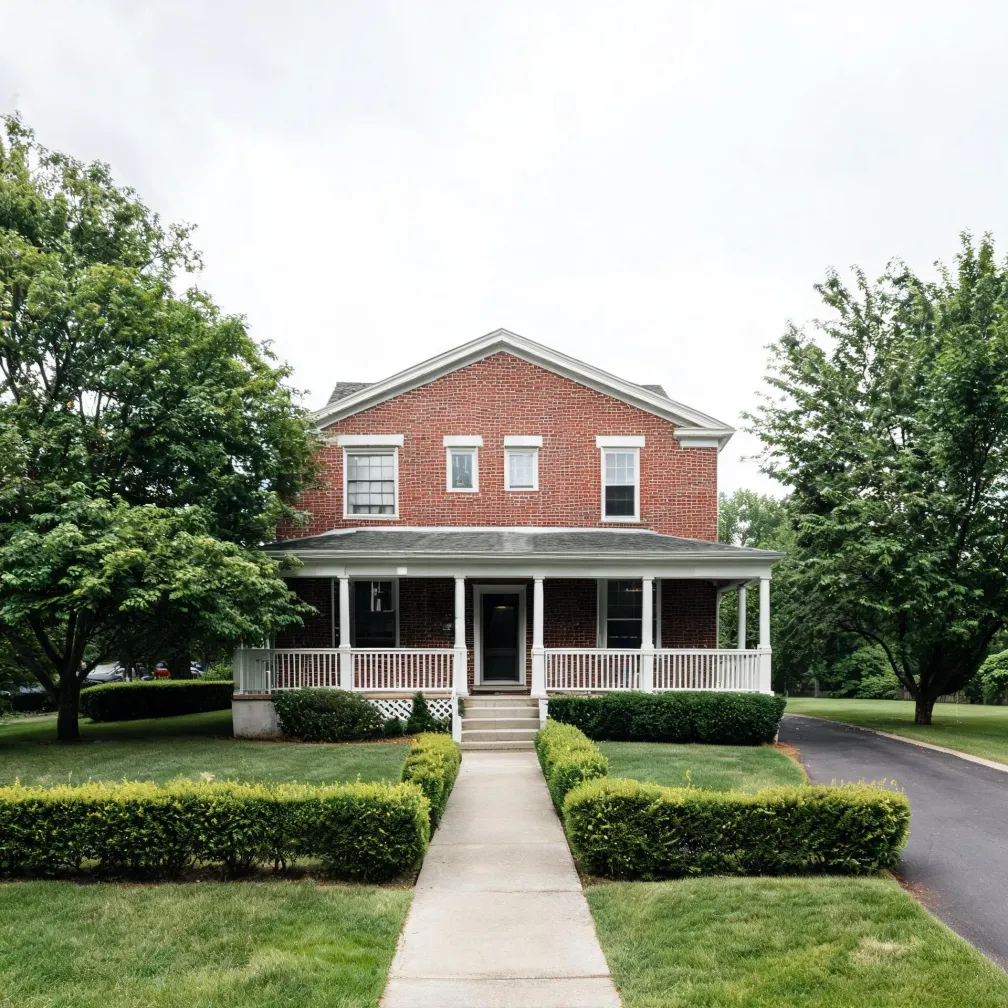
What Vermont homes are up against.
NOAA National Centers for Environmental Information, Storm Events Database, bulk CSV export, events 2015-01-01 through 2024-12-31. · U.S. Census Bureau, 2020-2024 American Community Survey 5-Year Estimates

A heat pump here earns almost no rest. Homes in Vermont run heat about nine months a year, from September through May. A system that is undersized or seated poorly will begin cycling harder than it was rated for, and with so little of the year to stand idle, the stress on the compressor and the heat exchanger accumulates without pause. What that means for a homeowner is that installation decisions carry more weight than they would somewhere the equipment runs briefly. A contractor who sizes correctly for your house, not just for the state average, is the difference between a unit that holds up and one that starts degrading while it still looks new.
A quote for heat pump work starts with what is already in the house, and in Vermont that means a contractor has to verify before they can specify. Half the homes in Vermont were built in 1976 or earlier (2020-2024 ACS 5-year). Ductwork laid out for an older furnace carries air at volumes and pressures that a heat pump does not match, so a contractor measures what is there rather than treating it as usable. Electrical panels get the same check: the service that ran the original system may not carry the load a heat pump draws. What the contractor finds in those two places sets the scope of the job.
Does your county put extra stress on HVAC equipment?
2015–2024 · Source: NOAA National Centers for Environmental Information, Storm Events Database.
Outdoor equipment in Vermont contends with ice accumulation, heavy snow load, wind-driven debris, and freeze-thaw cycles that work at seals, refrigerant lines, and mounting hardware over time. A condenser sited or sized without accounting for what that location actually sees will work harder and fail sooner. The contractor you are matched with knows how to read that exposure and spec the installation accordingly.
Vermont HVAC Installation and Repair License Requirements
Vermont sets its own rules for who can perform HVAC installation and repair work on residential property. The provisions below are quoted directly from state source material, not paraphrased.
Vermont splits the trade across two specialty licences and a contractor may hold one without the other: field A1 covers automatic gas or oil heating including geo-thermal and ground source heat pumps, and field C3 covers refrigeration or air conditioning including air-to-air heat pumps.
A state licensing requirement defines which contractors are legally permitted to do this work and which are not. For a homeowner, that line matters before anyone touches equipment. The contractors this site routes to hold the license these provisions describe, and that is the filter every request passes through.
View the source provisions2 provisions
Vermont splits the trade across two specialty licences and a contractor may hold one without the other: field A1 covers automatic gas or oil heating including geo-thermal and ground source heat pumps, and field C3 covers refrigeration or air conditioning including air-to-air heat pumps.
Vermont reaches HVAC work through its electricians’ licence rather than an HVAC licence, and the requirement stops at the front door of a house: anyone performing electrical work in Vermont must be licensed as an electrician unless the work is in a residential building containing two or fewer dwelling units.