Tell us about the job
Takes about a minute. No obligation.
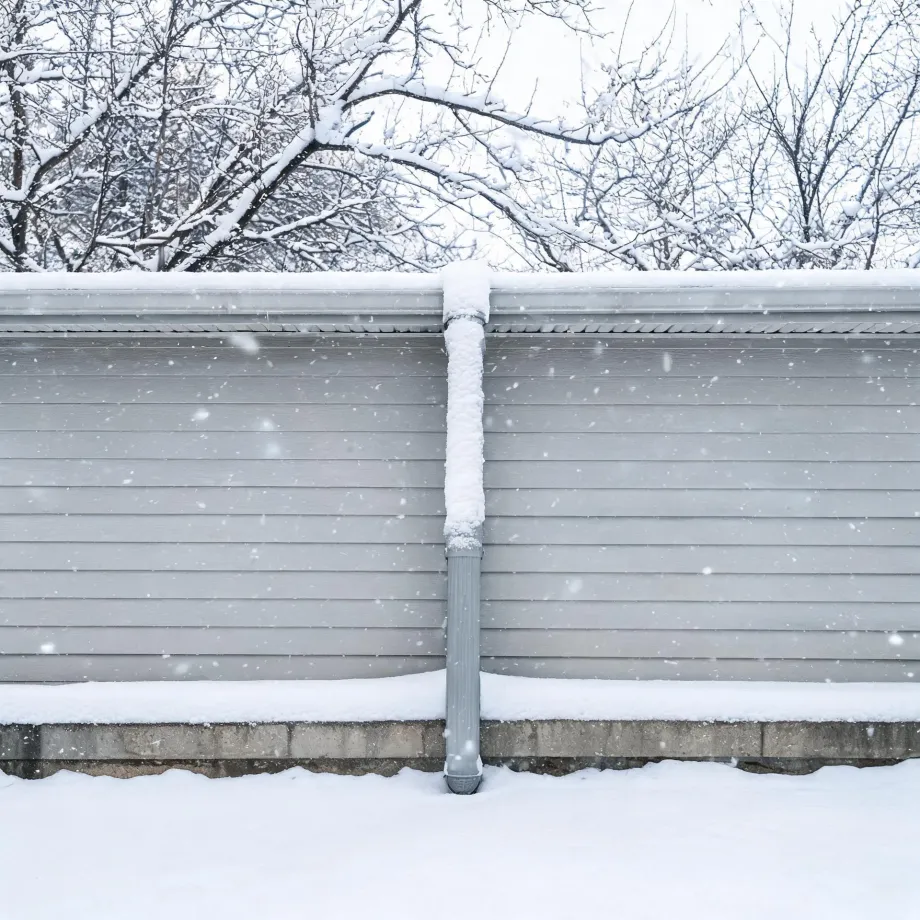
A heat pump here runs in heating mode through cold that is sustained, not occasional. Homes in Windsor County, VT run heat about nine months a year, from September through May. The refrigerant circuit cycles through that entire stretch, and the defrost board triggers repeatedly whenever ice builds on the outdoor coil. Those are the components that accumulate wear fastest, and a contractor diagnosing a fault in this county starts there, not at the air handler or the electrical connections. A compressor that was undersized at install has had little idle time to hide it.
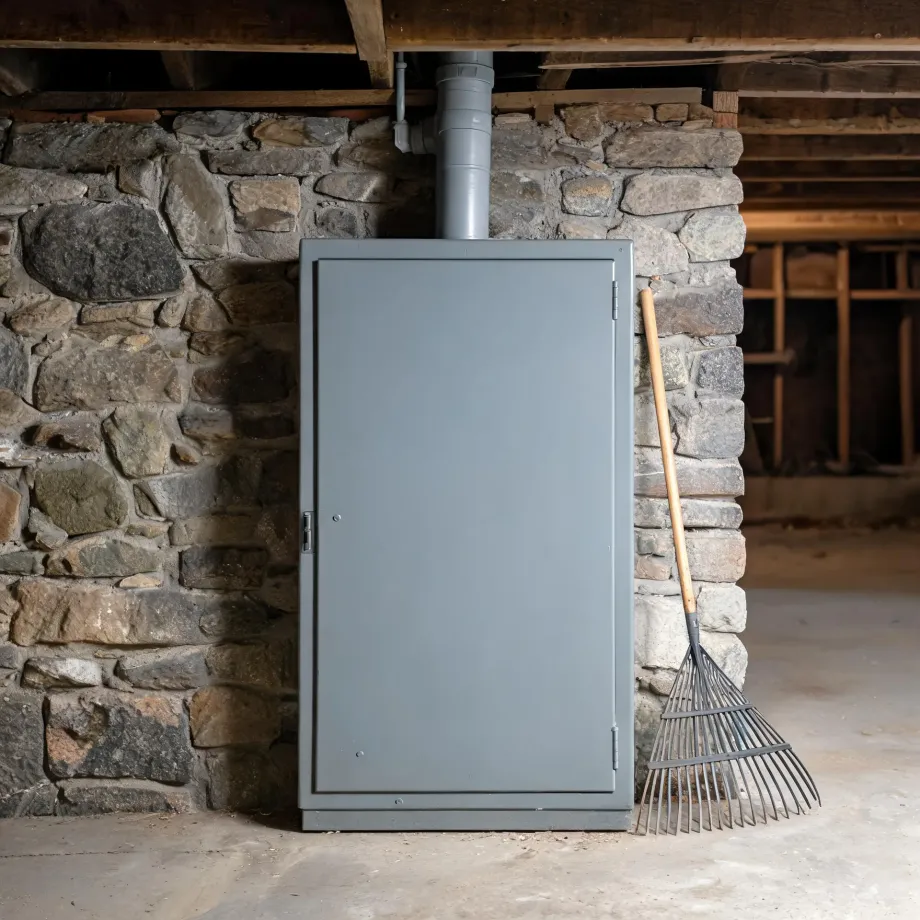
Ductwork sized and sealed for an older heating system carries gaps, restrictions, and joints that a heat pump stresses differently than what originally ran through it. Half the homes in Windsor County, Vermont were built in 1973 or earlier (2020-2024 ACS 5-year). When a contractor opens a unit and finds a recurring fault, the next question is whether the duct system is starving it of return air or forcing it to work against static pressure it was never rated for. Parts availability on the equipment side gets resolved; what takes longer is tracing a performance problem back to the house around it.
The Parts of a Heat Pump a Contractor Checks First
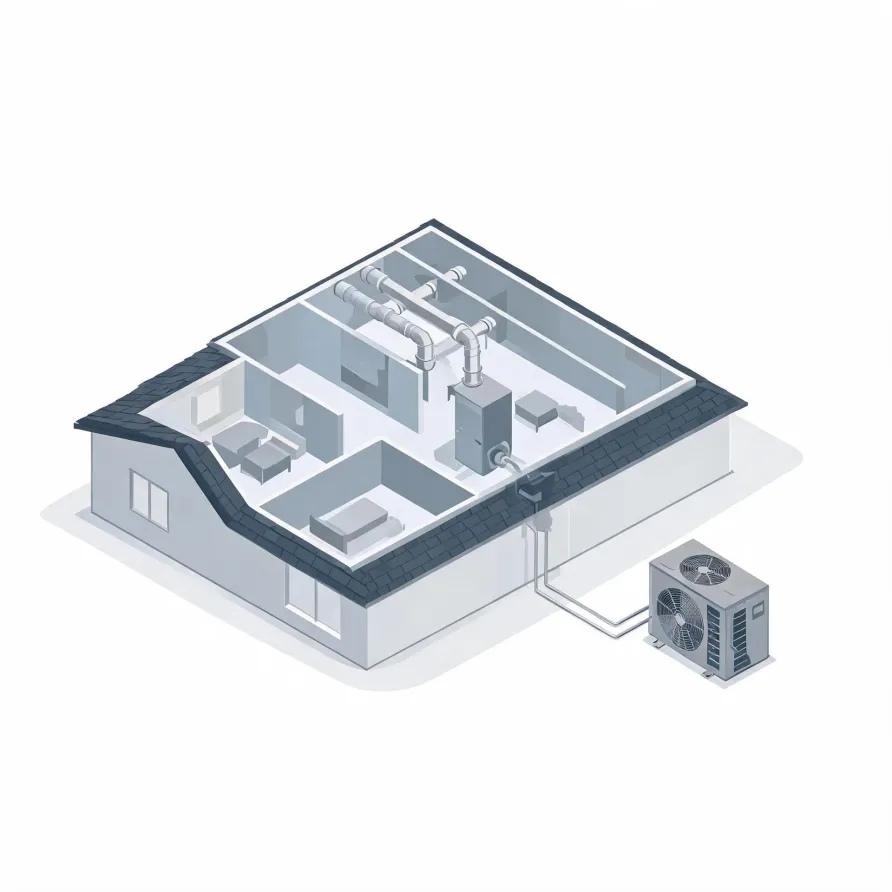
The outdoor unit is usually what a homeowner notices first. It sits outside the house and holds the compressor and the condenser coil. The compressor is the heart of the system, and when a heat pump stops heating or cooling properly, the contractor starts there. A failed compressor, a refrigerant leak at the coil, or a seized fan motor in that cabinet accounts for a large share of heat pump problems.
Inside the house, the air handler contains the evaporator coil, the blower motor, and the expansion valve. The air handler moves conditioned air through the home and the expansion valve controls refrigerant flow between the two units. The refrigerant lines that run between the outdoor unit and the air handler are also on a contractor's checklist, along with the reversing valve, which is the component that switches the system between heating and cooling and is a common point of failure when a heat pump gets stuck in one mode.
The drawing shows a general layout of these components, and a licensed contractor determines what applies to your specific house and system.
Find a contractor in Windsor CountyWindsor County, by the numbers
96 severe weather events were recorded in Windsor County, Vermont between 2015 and 2024.
NOAA National Centers for Environmental Information, Storm Events Database, bulk CSV export, events 2015-01-01 through 2024-12-31.Half the homes in Windsor County, Vermont were built in 1973 or earlier (2020-2024 ACS 5-year).
U.S. Census Bureau, 2020-2024 American Community Survey 5-Year EstimatesWindsor County, Vermont holds 34,846 housing units (2020-2024 ACS 5-year).
U.S. Census Bureau, 2020-2024 American Community Survey 5-Year EstimatesOwners occupy 74.8% of the occupied homes in Windsor County, Vermont (2020-2024 ACS 5-year).
U.S. Census Bureau, 2020-2024 American Community Survey 5-Year EstimatesRules & Standards Covering Heat Pump Repair in Windsor County, Vermont2 sourced rules and standards
Licensing Rules for HVAC Repair in Windsor County, Vermont
Vermont splits the trade across two specialty licences and a contractor may hold one without the other: field A1 covers automatic gas or oil heating including geo-thermal and ground source heat pumps, and field C3 covers refrigeration or air conditioning including air-to-air heat pumps.
Vermont reaches HVAC work through its electricians’ licence rather than an HVAC licence, and the requirement stops at the front door of a house: anyone performing electrical work in Vermont must be licensed as an electrician unless the work is in a residential building containing two or fewer dwelling units.
Severe Weather Events in Windsor County, Vermont
Extreme weather puts real load on heat pump systems, and load is what drives wear and repair need. How hard that weather presses on equipment in Windsor County shapes how contractors size, run, and maintain the systems here.
96 severe weather events, 2015–2024. Source: NOAA National Centers for Environmental Information, Storm Events Database.