Tell us about the job
Takes about a minute. No obligation.
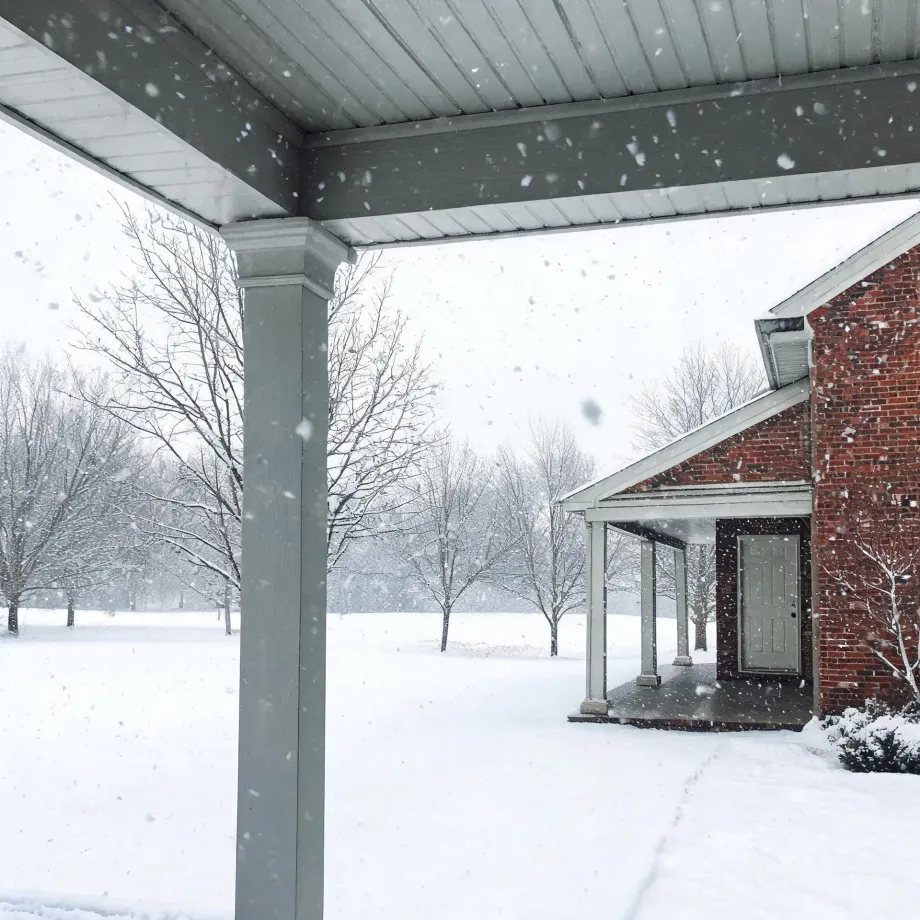
Sizing a heat pump for Grand Isle County means accounting for what Vermont winters actually ask of the equipment. Homes in Grand Isle County, VT run heat about nine months a year, from September through May. A heat pump loses capacity as outdoor temperatures drop, so a system sized for a milder climate will run short precisely when the house needs it most. A contractor working an install here has to establish the coldest design conditions the house will see and match the equipment to them, then set backup heat to carry the difference. Undersized equipment does not fail quietly in a county with a heating season this long.
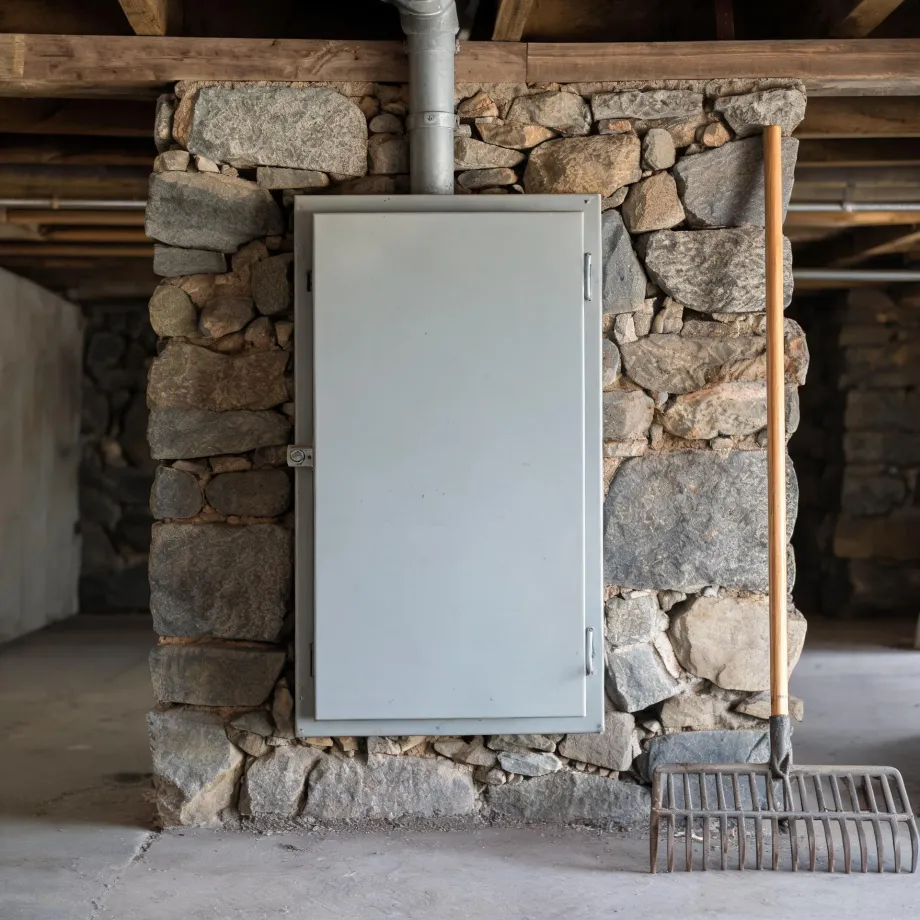
Ductwork put in to serve one kind of system rarely carries a different one without adjustment, and in a county where so much of the housing predates the equipment now running in it, that gap is where an installation quote gets complicated. Half the homes in Grand Isle County, Vermont were built in 1984 or earlier (2020-2024 ACS 5-year). A contractor here has to open walls or pull registers to check what the existing runs will actually handle before any equipment decision makes sense. What they find determines whether the job is a straightforward swap or a duct modification project that changes the scope and the price.
What a Heat Pump Installation Puts in Your Home
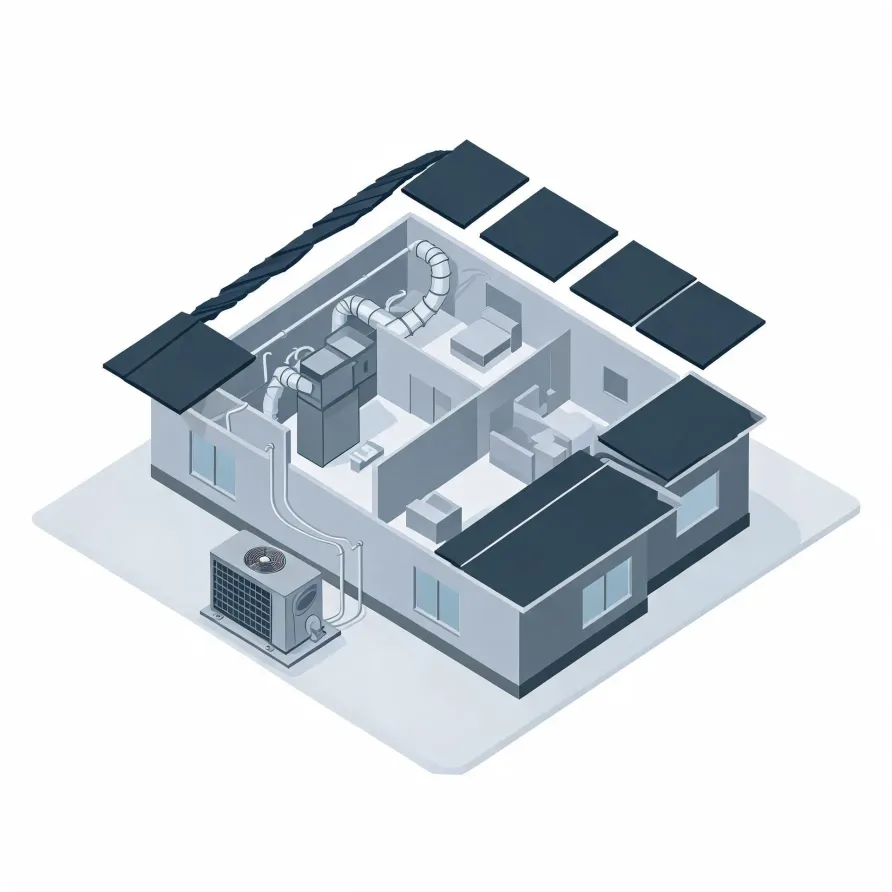
The outdoor unit is the piece most homeowners notice first. It sits on a pad or bracket outside the house and holds the compressor and the coil that exchange heat with the outside air. Inside, the air handler mounts on a wall or ceiling and pushes conditioned air into the room.
Refrigerant lines run between the two units, carrying the working fluid that makes the exchange possible. A thermostat or control panel, mounted on an interior wall, lets the homeowner set temperatures and, on most systems, manage zones independently.
The drawing shows a representative layout, and a licensed contractor determines exactly which components and configurations apply to your house.
Find a contractor in Grand Isle CountyGrand Isle County, by the numbers
53 severe weather events were recorded in Grand Isle County, Vermont between 2015 and 2024.
NOAA National Centers for Environmental Information, Storm Events Database, bulk CSV export, events 2015-01-01 through 2024-12-31.Half the homes in Grand Isle County, Vermont were built in 1984 or earlier (2020-2024 ACS 5-year).
U.S. Census Bureau, 2020-2024 American Community Survey 5-Year EstimatesGrand Isle County, Vermont holds 5,326 housing units (2020-2024 ACS 5-year).
U.S. Census Bureau, 2020-2024 American Community Survey 5-Year EstimatesOwners occupy 89.9% of the occupied homes in Grand Isle County, Vermont (2020-2024 ACS 5-year).
U.S. Census Bureau, 2020-2024 American Community Survey 5-Year EstimatesRules & Standards for Heat Pump Work in Grand Isle County, Vermont2 sourced rules and standards
Licensing and Legal Requirements in Grand Isle County, Vermont
Vermont splits the trade across two specialty licences and a contractor may hold one without the other: field A1 covers automatic gas or oil heating including geo-thermal and ground source heat pumps, and field C3 covers refrigeration or air conditioning including air-to-air heat pumps.
Vermont reaches HVAC work through its electricians’ licence rather than an HVAC licence, and the requirement stops at the front door of a house: anyone performing electrical work in Vermont must be licensed as an electrician unless the work is in a residential building containing two or fewer dwelling units.
Severe Weather Events in Grand Isle County
Weather in Grand Isle County puts real demands on heating and cooling equipment, and those demands shape what a heat pump needs to handle year after year. Sizing and installation decisions are local ones, and the weather record here is part of that picture.
53 severe weather events, 2015–2024. Source: NOAA National Centers for Environmental Information, Storm Events Database.