Tell us about the job
Takes about a minute. No obligation.
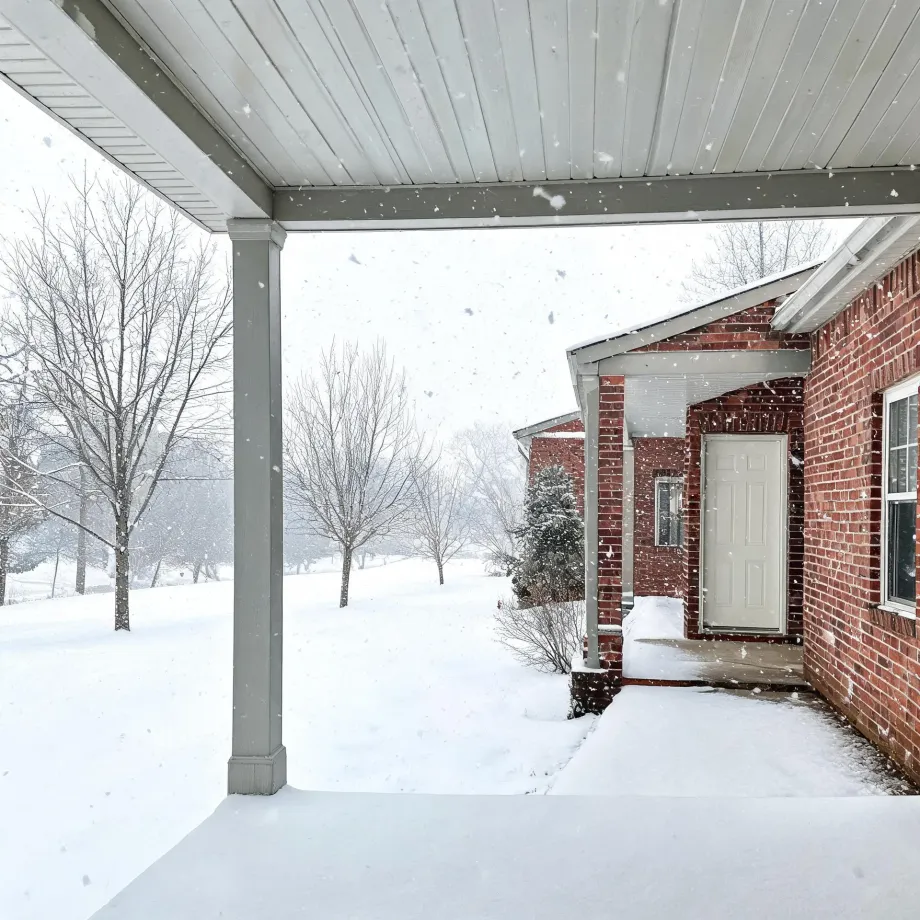
A heat pump in Franklin County earns most of its wear in winter, not in summer, and that shapes what a contractor checks first on a repair call. Homes in Franklin County, VT run heat about nine months a year, from September through May. Cold outdoor air thins the heat available to the refrigerant circuit, which forces the compressor to work harder to maintain any given indoor temperature. Over years of that pattern, the reversing valve, the defrost controls, and the low-pressure side of the refrigerant loop carry accumulated stress that a diagnostic focused on summer cooling faults will miss. A contractor who understands the heating load here starts with those components before moving on to anything else.
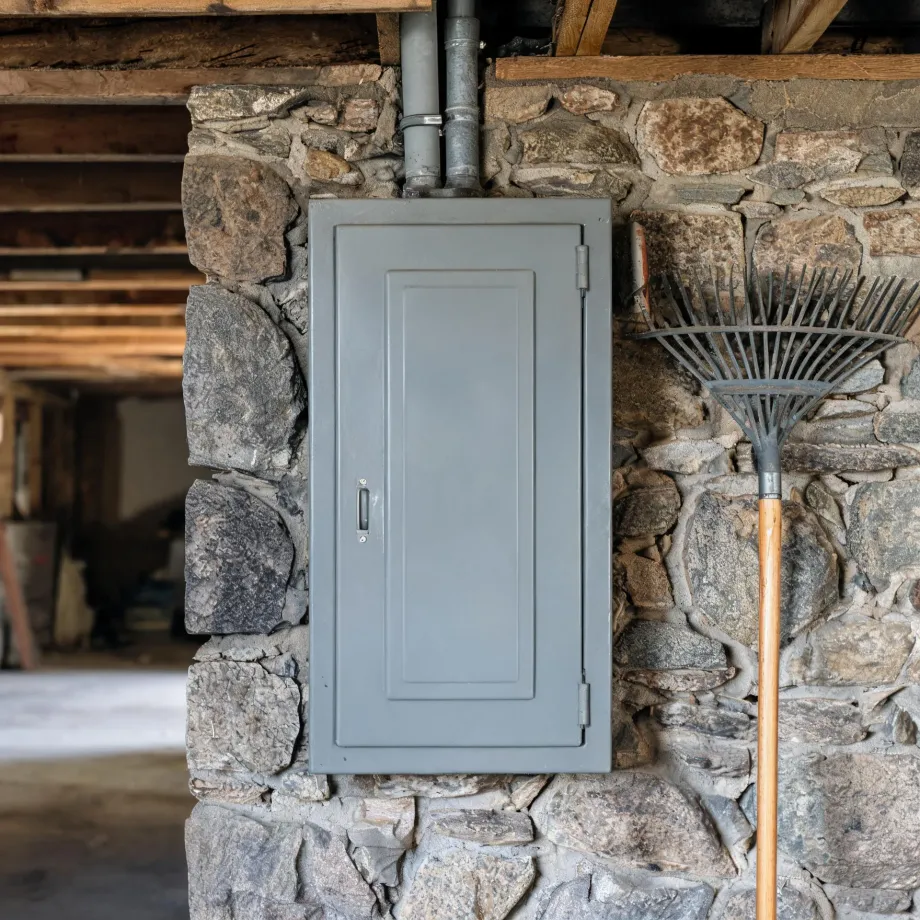
Half the homes in Franklin County, Vermont were built in 1979 or earlier (2020-2024 ACS 5-year). A house built that long ago was designed around systems that have since been discontinued, replaced, or redesigned, and the heat pump running in it today is carrying that history in ways that only show up once a contractor opens the unit. What they find inside determines whether the repair is a parts swap or a longer search for compatible components that a discontinued refrigerant circuit or an older coil design still accepts. Housing stock this vintage does not make every repair harder, but it does make the parts question real rather than routine.
The Parts of a Heat Pump a Contractor Checks First
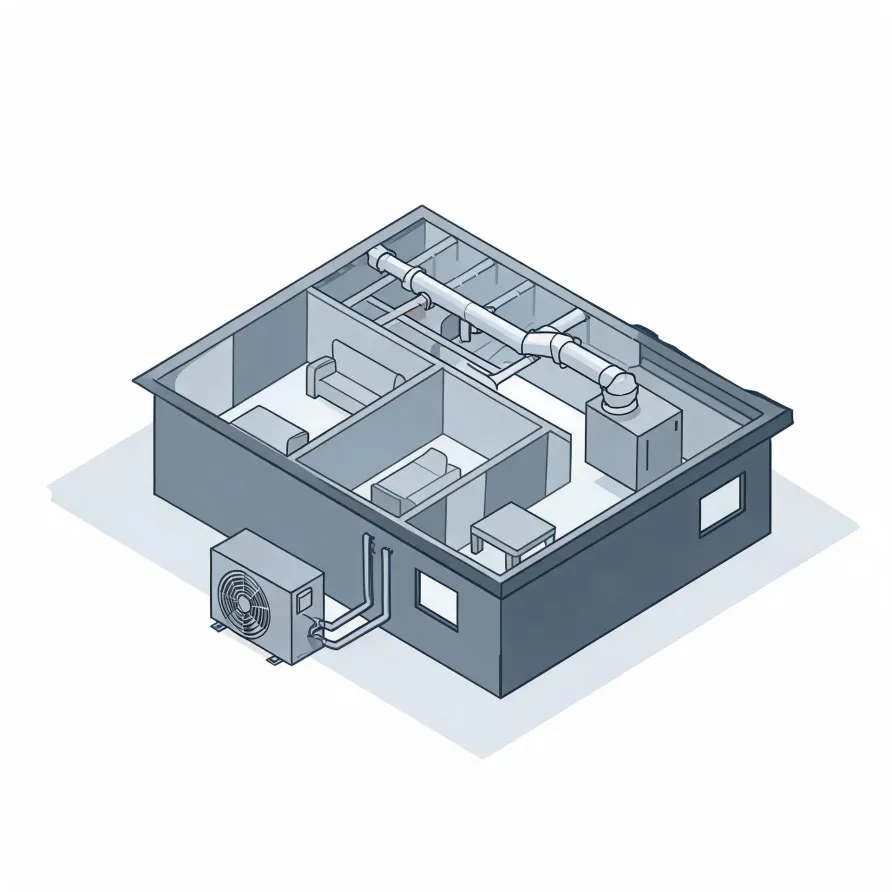
The outdoor unit is usually where a repair starts. It holds the compressor, which drives the whole system, and the condenser coil, which does the heat exchange with outside air. When refrigerant is low, when a compressor is laboring, or when a coil is fouled, the outdoor unit is where those problems live.
Inside the house, the air handler moves conditioned air through the home and holds the evaporator coil and the blower. The reversing valve, which sits inside the outdoor unit, is what lets the system run in both directions. A failed valve means the system heats when it should cool, or does neither.
The drawing shows a typical layout, and a licensed contractor will determine which components apply to your specific home and what work each one needs.
Find a contractor in Franklin CountyFranklin County, Vermont, by the numbers
128 severe weather events were recorded in Franklin County, Vermont between 2015 and 2024.
NOAA National Centers for Environmental Information, Storm Events Database, bulk CSV export, events 2015-01-01 through 2024-12-31.Half the homes in Franklin County, Vermont were built in 1979 or earlier (2020-2024 ACS 5-year).
U.S. Census Bureau, 2020-2024 American Community Survey 5-Year EstimatesFranklin County, Vermont holds 23,019 housing units (2020-2024 ACS 5-year).
U.S. Census Bureau, 2020-2024 American Community Survey 5-Year EstimatesOwners occupy 77.4% of the occupied homes in Franklin County, Vermont (2020-2024 ACS 5-year).
U.S. Census Bureau, 2020-2024 American Community Survey 5-Year EstimatesCodes & Standards Behind Heat Pump Repair in Franklin County, Vermont2 sourced rules & standards
What Franklin County, Vermont Requires for HVAC Repair Work
Vermont splits the trade across two specialty licences and a contractor may hold one without the other: field A1 covers automatic gas or oil heating including geo-thermal and ground source heat pumps, and field C3 covers refrigeration or air conditioning including air-to-air heat pumps.
Vermont reaches HVAC work through its electricians’ licence rather than an HVAC licence, and the requirement stops at the front door of a house: anyone performing electrical work in Vermont must be licensed as an electrician unless the work is in a residential building containing two or fewer dwelling units.
Weather Stress on Heat Pumps in Franklin County
Heating and cooling equipment works harder when outdoor conditions are extreme, and repair needs follow that pattern. How often severe weather moves through Franklin County is a local factor that shapes what heat pump systems here go through over time.
128 severe weather events, 2015–2024. Source: NOAA National Centers for Environmental Information, Storm Events Database.