Cold climate models run longer
Heat pumps built for cold climates keep pulling heat from outside air at low temperatures, which eases the strain Vermont winters put on the compressor.
Let someone else find the pro
A heat pump in Vermont works hard both ways, cooling in summer and standing in for the furnace on cold nights. You want to know how many winters you can expect before it starts to fail or needs replacing. This page covers that, and what tends to wear out first. When you're ready, send the form and let a licensed local contractor take it from here.
Hand it overA heat pump in Vermont lasts about 12 to 15 years. That's a few years short of what the same unit would get in a milder climate, and the reason is your winters. A heat pump works hardest when it's cold out, running long hours to pull heat from outside air that has little to give, and defrosting itself over and over to clear frost off the outdoor coil. That cycle of running hard, then defrosting, then running hard again puts more wear on the compressor and the outdoor coil than a Vermont summer ever does. Most homes here still heat with oil, so the heat pump you have is likely doing lighter duty, backing up the furnace on the coldest nights rather than carrying the whole winter alone, which can help it last toward the higher end of that range. Once it starts short-cycling or can't keep up on single-digit nights, that's wear catching up with it, not bad luck.




Heat pumps built for cold climates keep pulling heat from outside air at low temperatures, which eases the strain Vermont winters put on the compressor.
Most homes here heat with oil, so a failing heat pump often means falling back on the furnace instead of losing heat entirely while it's replaced.
You might notice it running almost constantly on the coldest nights, or the air coming out of the vents feels cooler than it used to. Some rooms stay warmer than others. You hear it click on and off more than it should, or the outdoor unit is caked in ice that doesn't melt off between cycles. The oil furnace kicks in more often than it used to, which drives up a bill that's already high here. If the heat pump keeps losing ground like this, the backup system has to carry more of the house, and on the nights it matters most, that's what keeps the rooms where people are sleeping warm enough.
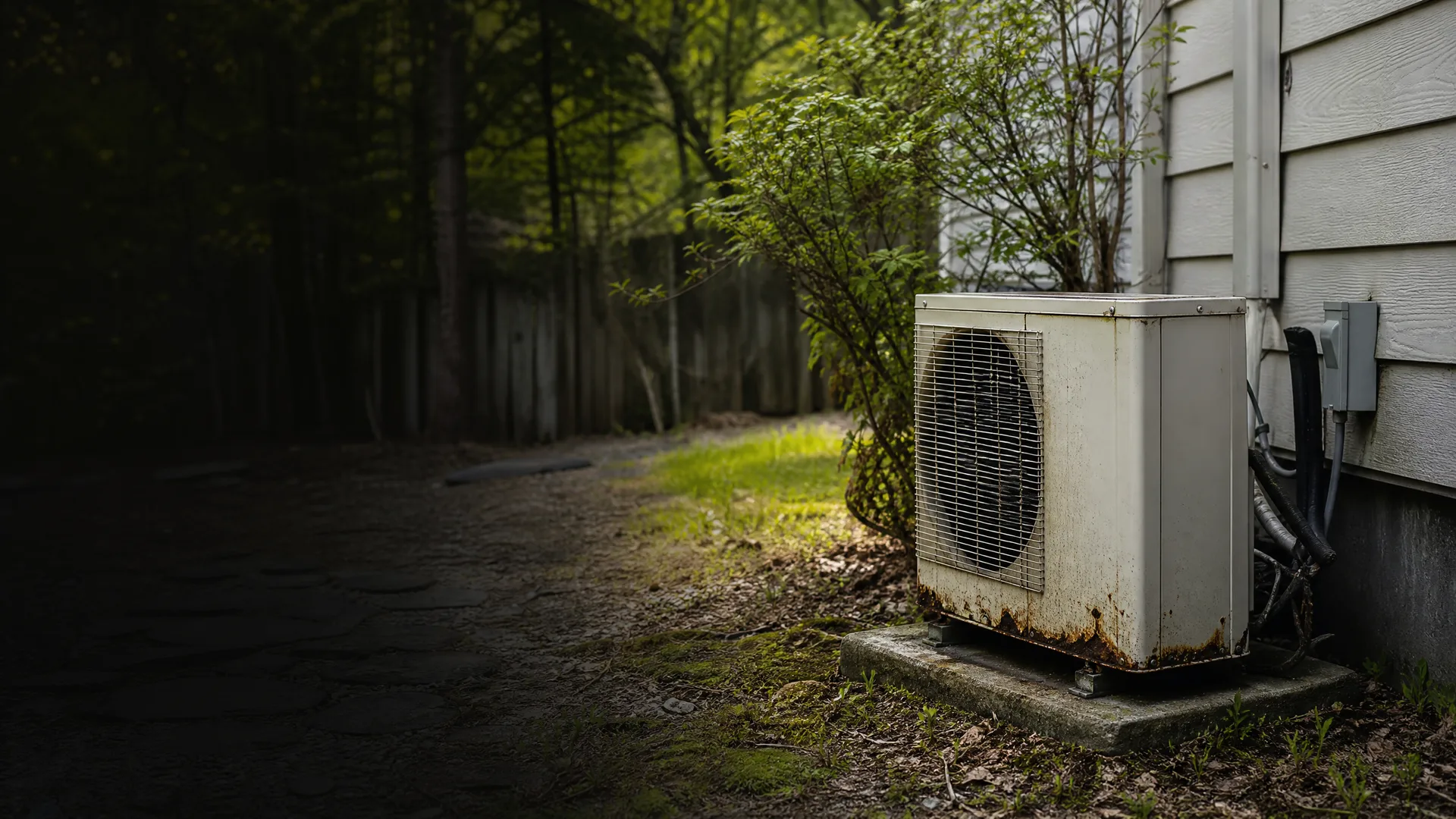
You go out to bring in firewood and the snow's mostly gone off the side yard, just a few patches holding on near the fence. The outdoor unit is sitting where it always has, and this year you actually look at it. Rust has crept along the base, flaking where the metal meets the ground. It still ran all winter, but you remember it cycling more than it used to, and the living room never quite caught up on the coldest nights. You crouch down and press a thumb against the rust. It gives a little. You think about how many winters it's already been through, and how many it might have left before it just stops.



Summer here doesn't press on you the way it does further south. Averaged across June, July and August, the dew point sits around 59°F, which is on the comfortable side. That matters for how your heat pump spends its summer. With less moisture in the air to wring out, the system isn't running long cycles just to pull water out of the house, so the compressor gets an easier season than it would in a sticky climate. Most of the wear on a Vermont heat pump happens in winter, pulling heat out of cold air, not in summer pulling moisture out of warm air. If yours is getting old or struggling, sending in your information connects you with one local contractor who installs these year-round and knows what a Vermont winter does to them. Once you send it, you're done looking.
NASA POWER T2MDEW county cells weighted by homes
If your heat pump is past the point where it should be carrying the house through a Vermont winter, waiting it out usually means a harder failure on the coldest night, not a gentler one. A replacement unit built for this climate will hold up better against what you're dealing with than whatever's rusting out back right now. Finding someone to put it in is the part that takes the time, calling around, waiting on quotes, hoping whoever shows up actually works on cold climate systems and not just central air. Send the form above and that search is done. It goes to one local contractor, someone who installs these units every season here and knows which models actually hold up against a Vermont winter and which ones struggle by January. You're not fielding calls from five companies trying to win the job. You're waiting on one, and then you're done thinking about it.
A heat pump past 12 years can still be nursed along if it's been serviced every year and the compressor hasn't gone yet. You avoid the cost of a new system and the hassle of scheduling an install. But parts for an older unit get harder to find, and a tech may end up patching something that fails again next winter. Every repair bill is money that doesn't go toward a system that's actually built for the cold, and oil usually has to pick up more of the load while you wait.
Replacing it before it fails means you choose the timing, not a cold snap in January. A cold climate heat pump installed now will carry more of the heating load straight away, which matters with Vermont power prices as high as they are. You lose the comfort of a known system and take on the cost of installation. What you gain is a unit sized and rated for this climate, with the warranty and efficiency that an aging compressor can't match, and one less thing to worry about when the temperature drops.
At 22.79 cents a kilowatt-hour, every extra year you stretch an aging heat pump costs you more to run than it used to. A unit losing efficiency as it nears the end of its life doesn't just struggle to keep rooms warm, it pulls more power doing it, and that shows up fast on a Vermont bill.
EIA-861 2025 statewide residential average

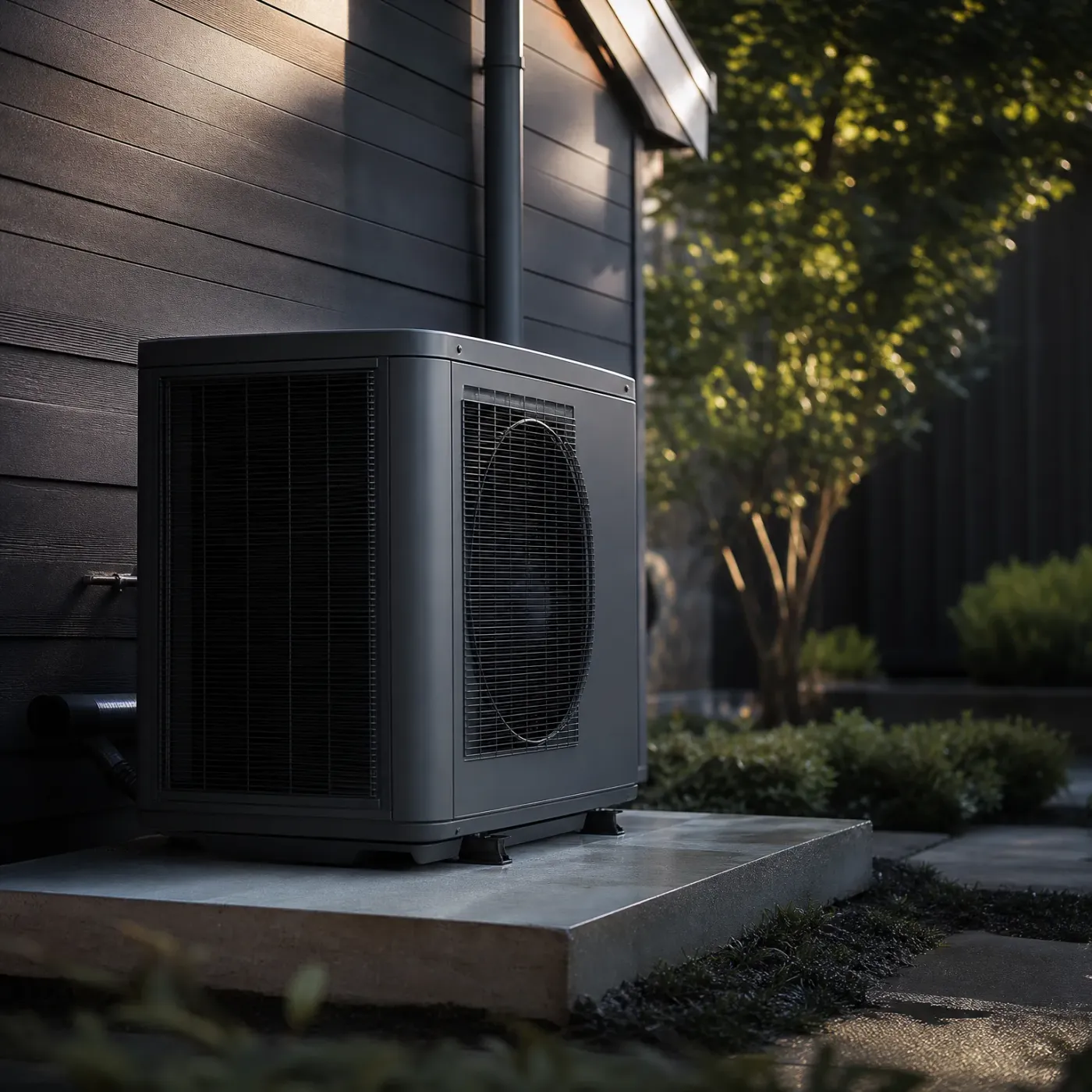
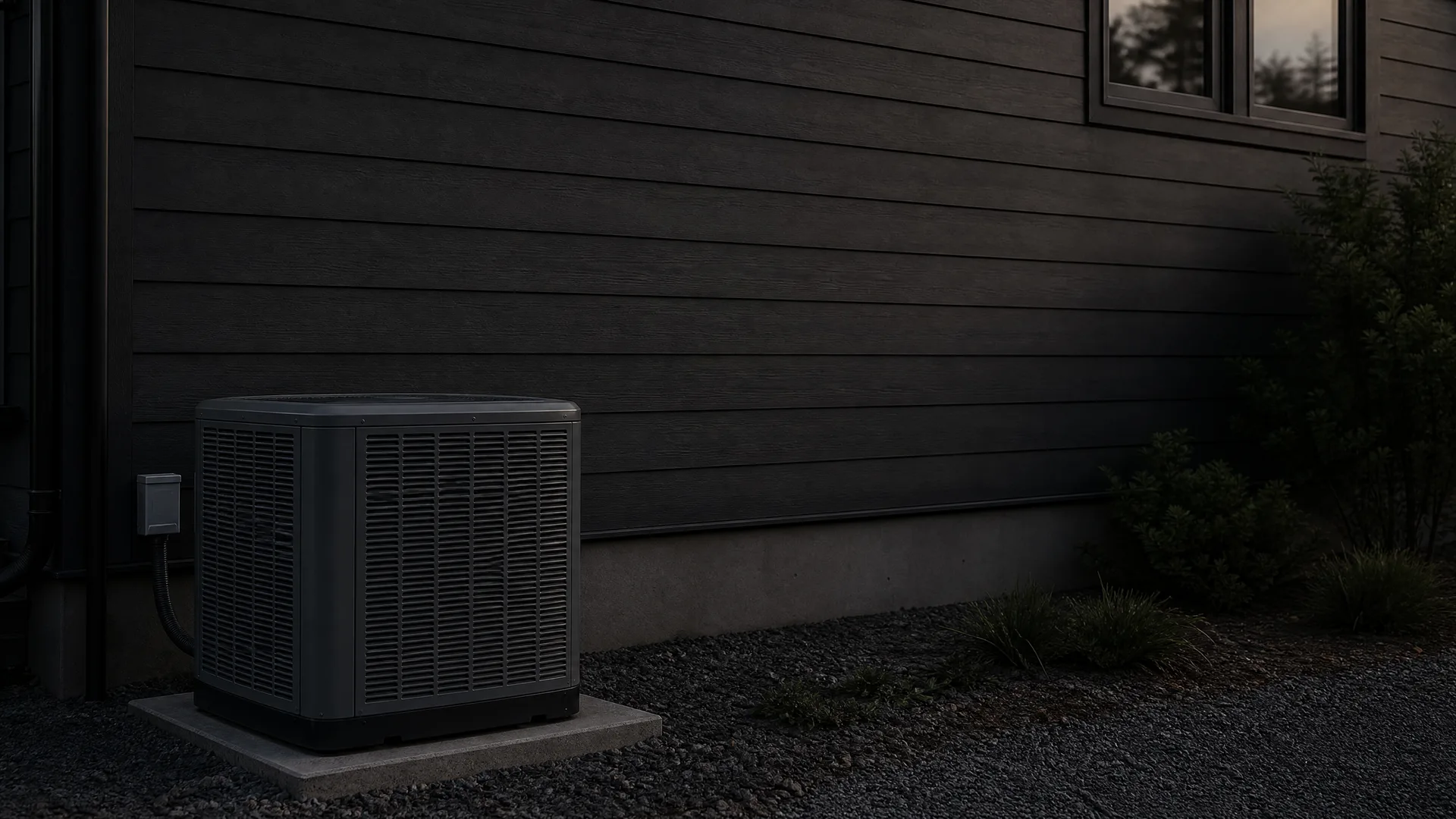
The pad is level, the fins are clear, and the disconnect box sits untouched on the siding. Mulch and grass grow right up to it without crowding the airflow. A unit kept like this moves heat in and out the way it was designed to, even when January gets hard.

Grime cakes the fins and the cabinet's taken on weather it wasn't built to shrug off. Airflow through those coils is choked before the compressor even starts working. It'll still run, but it's pulling more power and more wear out of every cycle than it should.
You've had the heat pump checked and serviced, but you want to know what's actually going to go wrong first. Not a vague sense that it's getting older, but the specific part that gives out before the rest, so you know what a contractor is really listening for when they come look at it, and what kind of repair bill tends to show up in year ten versus year fifteen.
The compressor is the part that works hardest, since it's running almost every cold day Vermont gives it, pulling heat out of outside air that may be well below freezing. That constant cycling wears on it faster than it would in a place with a shorter, milder winter. Reversing valves and fan motors can fail too, but those get replaced on their own for a reasonable cost. A failed compressor is different. It's expensive enough to replace on its own that most contractors will tell you to put that money toward a new unit instead. If a contractor mentions the compressor specifically after looking at your system, that's usually the sign the unit is near the end, not just due for a repair.


A heat pump in Vermont holds up for 12 to 15 years, and the winters here are the reason it doesn't go longer. The cold makes the compressor work for every degree it pulls from the outside air, and that work adds up year after year. How well you keep the outdoor unit, and whether it's built for cold climates in the first place, decides where your own system lands in that range. Skip the yearly service or let the cabinet sit under grime and rust, and you're looking at the short end. Keep the coils clear and the pad level, and you've got a shot at the long end.
What matters once a unit starts slipping is catching it before it fails on the coldest night of the year, because power here isn't cheap, and a struggling heat pump pulls more of it for less heat. That's the kind of thing a contractor who works on this equipment all winter, every winter, can tell you just by looking at the unit. Someone local who's seen what usually goes first on a system your unit's age can tell you whether you're looking at another service call or a replacement, and they can tell you faster than you'd work it out on your own. Send one request and it goes to one contractor, licensed to do the work, not a handful of companies competing for the job. That's one visit, one straight answer about where your system stands.
Only one pro gets your request, so you hear from one company.